Should You Upgrade Your Car in India? Read This First
Why cars cost so much in India after GST 2.0, how fast a new car loses value, and what the same EMI would grow to if you invested it instead.

Nikhil Varghese, CA · 5 min read

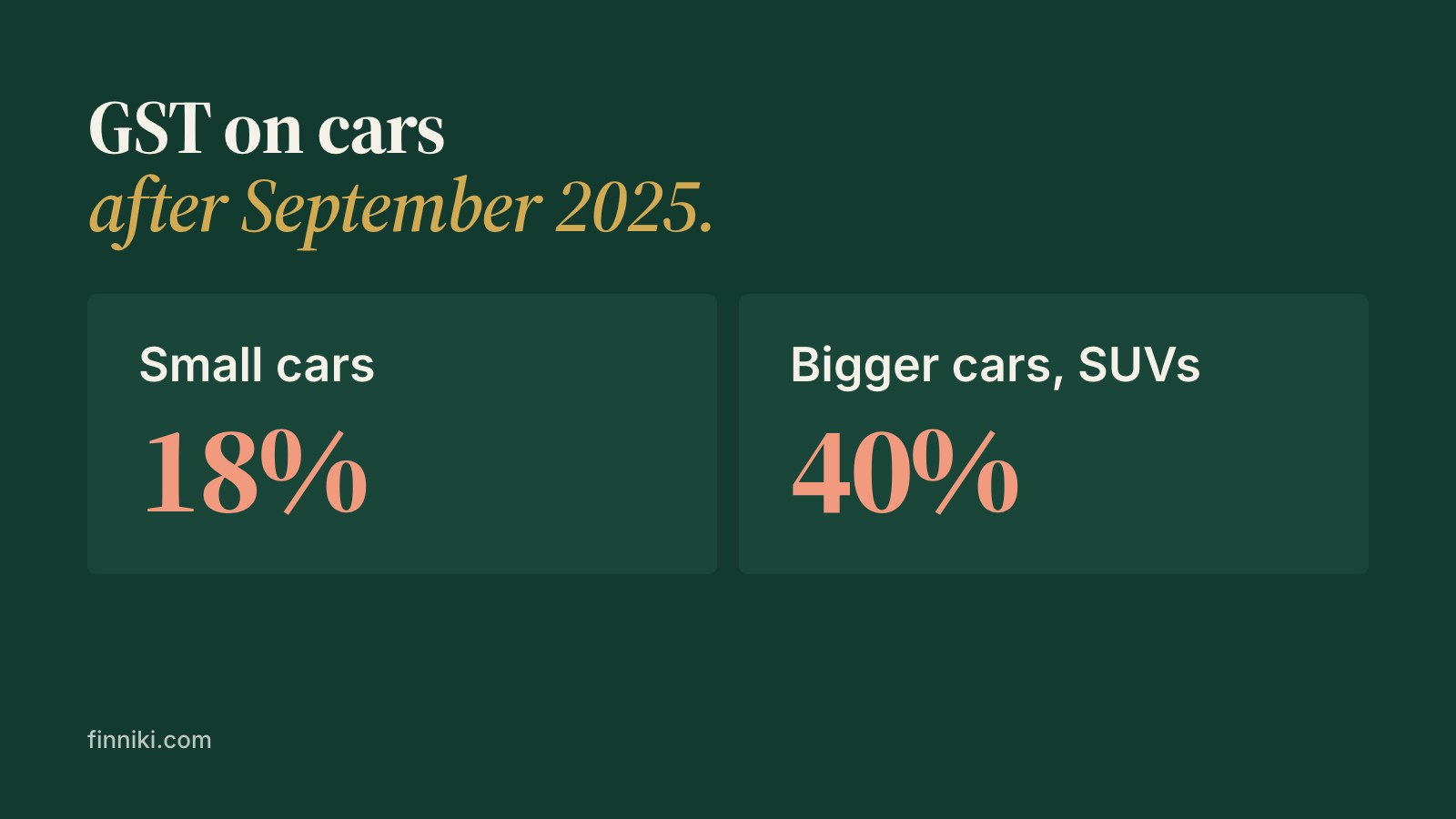
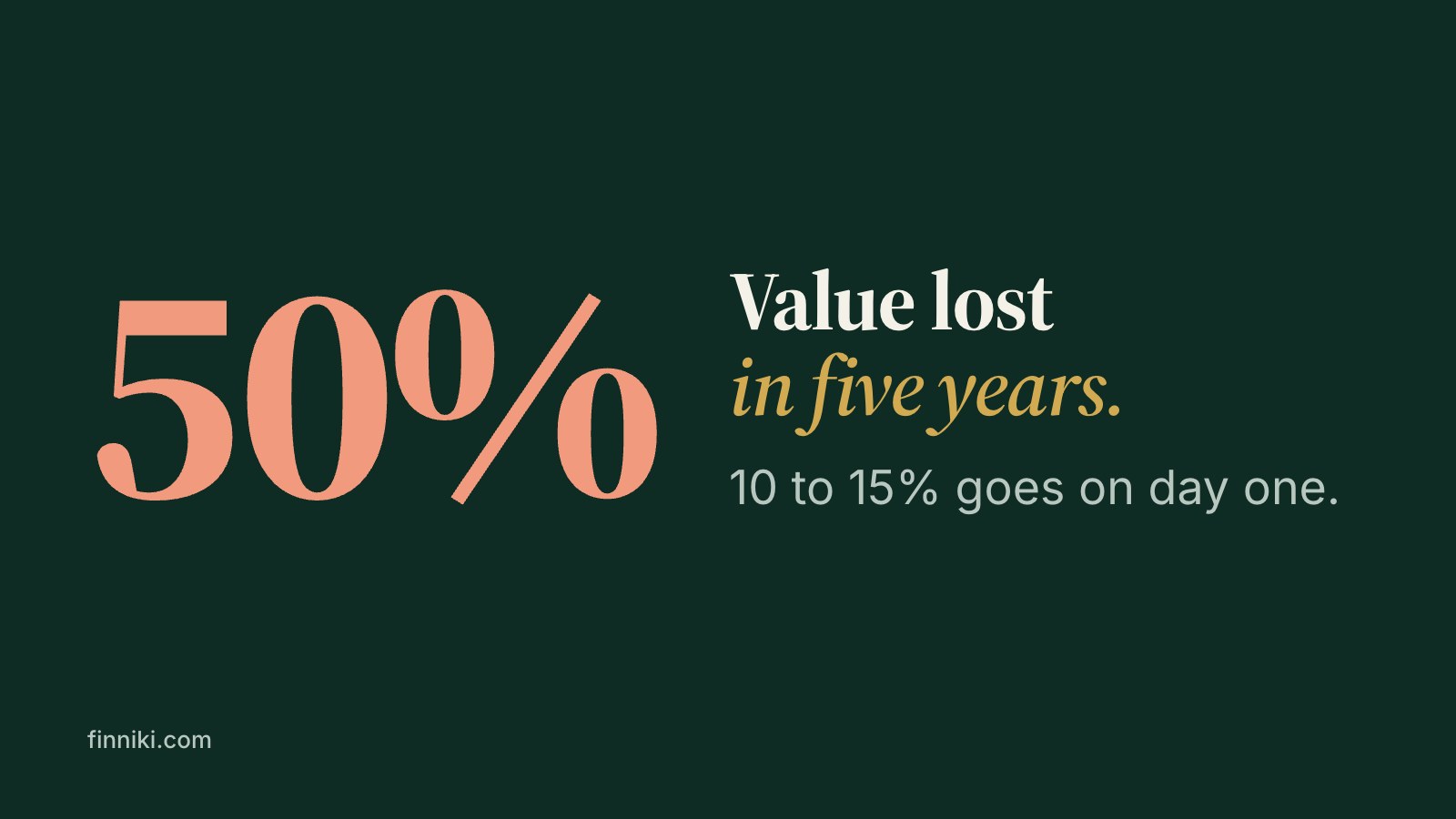
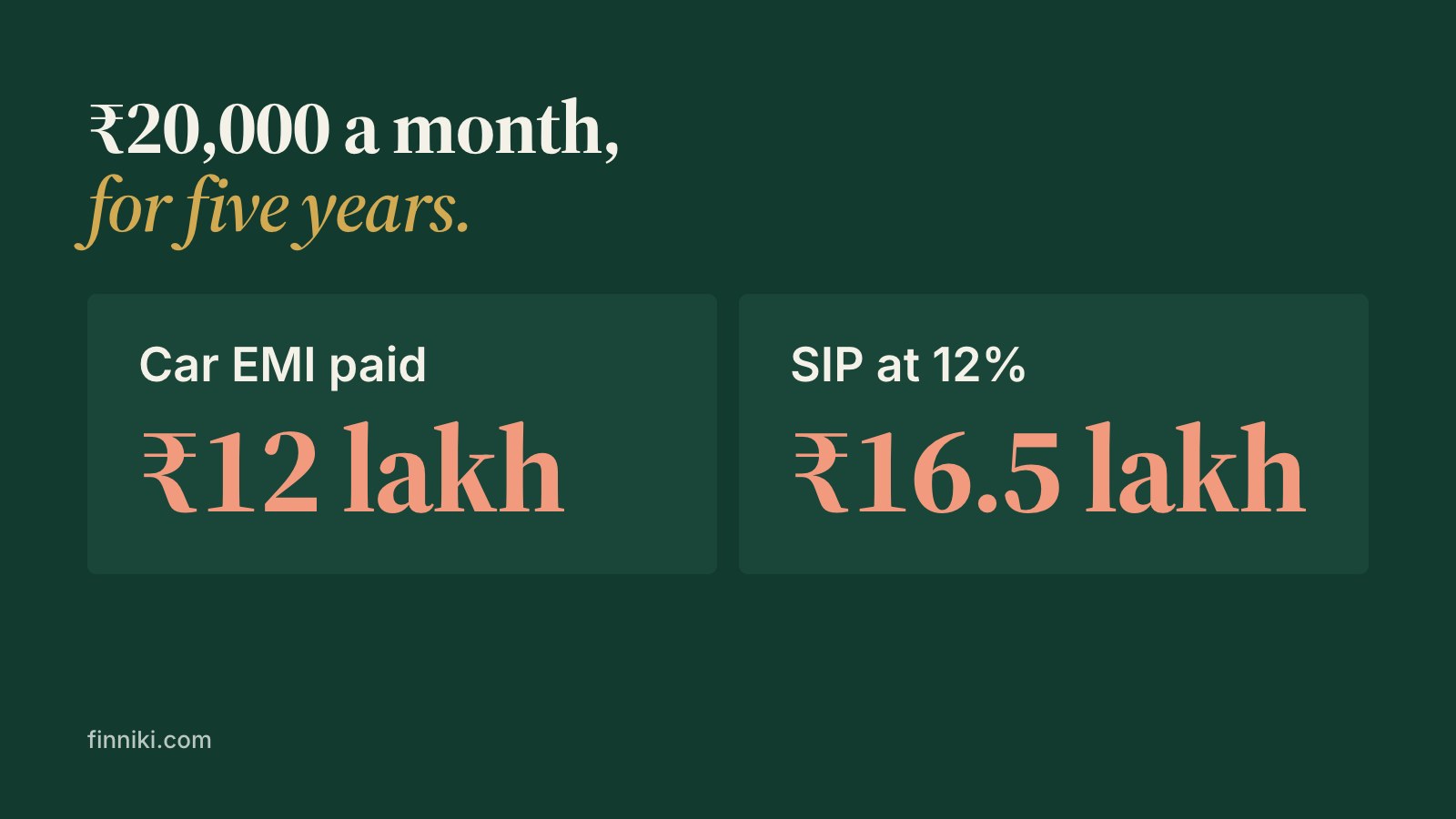
Quick answer: Cars in India are expensive mainly because of tax: GST of 18% on small cars and 40% on bigger cars and SUVs, then state road tax of roughly 6 to 18%, registration and insurance on top. Before you upgrade, remember that a new car loses 10 to 15% of its value the day you drive it out and close to 50% in five years. A ₹20,000 monthly EMI for five years is ₹12 lakh paid out; the same ₹20,000 in a SIP at 12% would grow to about ₹16.5 lakh. Upgrade when you have a practical reason, not because a newer model exists.
Updated October 2026. The episode described GST of 18 to 28% plus a compensation cess of up to 22%, a combined burden of up to 50%. From 22 September 2025 the cess was removed and GST on cars was simplified to 18% for small cars and 40% for larger cars and SUVs, which lowered most car prices. The figures below use the new rates.
 Watch the episode: Before you buy or upgrade your car in India… watch this first
Why are cars so expensive in India?
Mostly because of taxes and charges stacked on the factory price. Compared with the US, the UK or Dubai, the same car costs far more in India because of:
- GST: 18% on small petrol, CNG and diesel cars (under four metres, with small engines) and 40% on larger cars and SUVs. Electric cars stay at 5%.
- State road tax: each state sets its own rates, roughly 6 to 18% of the price, paid to register and legally drive the car.
- Registration and insurance: added before you can take the car home.
- Import duty on parts: many electronics, safety systems and engine parts are imported, and the duty raises the manufacturer's cost, which reaches you.
- Imported luxury cars: fully imported cars can cost double or more, because tariffs can exceed 100%.
Much of this is deliberate policy: making car ownership costly, especially for large, fuel-hungry vehicles, is meant to ease congestion and pollution and nudge people towards public and shared transport.
How much of a car's price is tax?
A large share. The episode's examples:
- Maruti Suzuki Swift: an estimated manufacturing cost of about ₹5 lakh became an on-road price of ₹8 to 10 lakh once GST, cess, state taxes, registration and insurance were added. After the 2025 GST cut, the Swift's ex-showroom price starts at about ₹5.8 lakh, so the markup is smaller today, but road tax, registration and insurance still add a good deal before you drive it home.
- Hyundai Creta: built for an estimated ₹9 lakh, it cost ₹15 to 17 lakh on the road. Its ex-showroom price now starts at about ₹10.7 lakh.
And you pay for the car with money that has already been taxed. In the 30% tax bracket, a ₹14 lakh car needs about ₹20 lakh of pre-tax income to afford.
Should you upgrade your car?
Probably not, if your current car is reliable, comfortable and safe. Most people upgrade because they want to, not because they need to: a newer car feels like a mark of progress. But if the car works, the upgrade mostly buys a slightly bigger touchscreen, flashier lights and a redesigned dashboard. Those are wants, not needs, and they cost a lot.
How much value does a new car lose?
About half in five years. A new car loses roughly 10 to 15% of its value the moment it leaves the showroom, and nearly 50% over five years. The ₹15 lakh SUV you are eyeing may be worth ₹7 to 8 lakh in five years: a ₹7 lakh loss on something that did not raise your income or meaningfully change your life.
What does a car EMI really cost you?
More than the EMI. A ₹20,000 monthly EMI for five years is ₹12 lakh in payments, before fuel, rising insurance premiums, servicing and maintenance.
Now flip it. Invest the same ₹20,000 a month in a mutual fund SIP earning 12% a year, and in five years you would have about ₹16.5 lakh: a home down payment, start-up capital or a solid step towards early retirement. That gap is the opportunity cost of the upgrade.
What else should you consider before upgrading?
Three things people overlook:
- City driving: traffic, potholes, fuel costs and parking mean most cars spend more time parked than moving. A bigger car can mean a bigger bill and more stress, not more value.
- Technology ages fast: touchscreens and driver-assistance systems (ADAS) improve every year. Today's premium feature is next year's standard, which tempts you to upgrade again, just like phones.
- Prices move: car prices rose sharply in the years before the episode, and the 2025 GST cut then brought many of them down. Waiting for the right moment, rather than buying on impulse, can save you real money.
When does it make sense to buy or upgrade a car?
When there is a clear, practical reason:
- Your family is growing and the car no longer fits.
- The current car is unsafe or breaking down often.
- Maintaining the old car costs more than it is worth.
If driving a new car genuinely makes you happy, that is a fair choice; just be honest that you are paying a large premium for it. If you value freedom over flair, a reliable, fully paid-off five-year-old car may be your best asset right now. It does the job and saves you a fortune.
FAQs
What is the GST on cars in India now?
Since 22 September 2025, 18% on small cars and 40% on larger cars and SUVs, with no compensation cess. Electric cars attract 5%.
Why are cars cheaper abroad than in India?
Mainly because of India's taxes: GST, state road tax, registration and import duties on parts, and tariffs that can exceed 100% on imported cars.
How much does a new car depreciate in India?
About 10 to 15% as soon as you drive it out of the showroom, and close to 50% over five years.
Is it better to invest instead of buying a new car?
Financially, often yes. ₹20,000 a month in a SIP at 12% grows to about ₹16.5 lakh in five years, while the same money on a car EMI buys an asset that loses about half its value.
How much income do I need to buy a ₹14 lakh car?
In the 30% tax bracket, about ₹20 lakh of pre-tax income, because you pay for the car with post-tax money.
When should I upgrade my car?
When the current car is unsafe, unreliable, too costly to maintain or no longer fits your family, not just because a newer model is out.
Make the car fit your plan
A car is one of the biggest spends most families make. Book a session to see how it fits with your savings and goals, or find more episodes on FinNiki videos.
General information, not advice for your situation. Rules change; check your own numbers with a CA before you act.