7 Signs You're Closer to Early Retirement Than You Think
Early retirement is about how much of your life is paid for, not your age. Seven signs you are on track, from knowing your number to doing the maths.

Nikhil Varghese, CA · 5 min read

Quick answer: Early retirement is not about age, luck or a huge salary; it is about how much of your life is already paid for. Seven signs you may be closer than you think: you know your annual lifestyle cost, your spending has not grown with your income, your investing is automatic, your job is not your identity, you have no high-interest debt, you hold a 6 to 12 month buffer, and you have done the maths with inflation, healthcare, conservative returns and a safe withdrawal rate. If some signs are missing, that is not failure; it is your to-do list.
 Watch the episode: 7 signs you're much closer to early retirement than you think
What decides how early you can retire?
Awareness, structure and quiet decisions over time, not intelligence or luck. Two people with the same job, salary and city can end up very differently: one retires comfortably at 45, the other is still anxious about money at 62. The difference is whether they understood the signs below.
Sign 1: Do you know your retirement number?
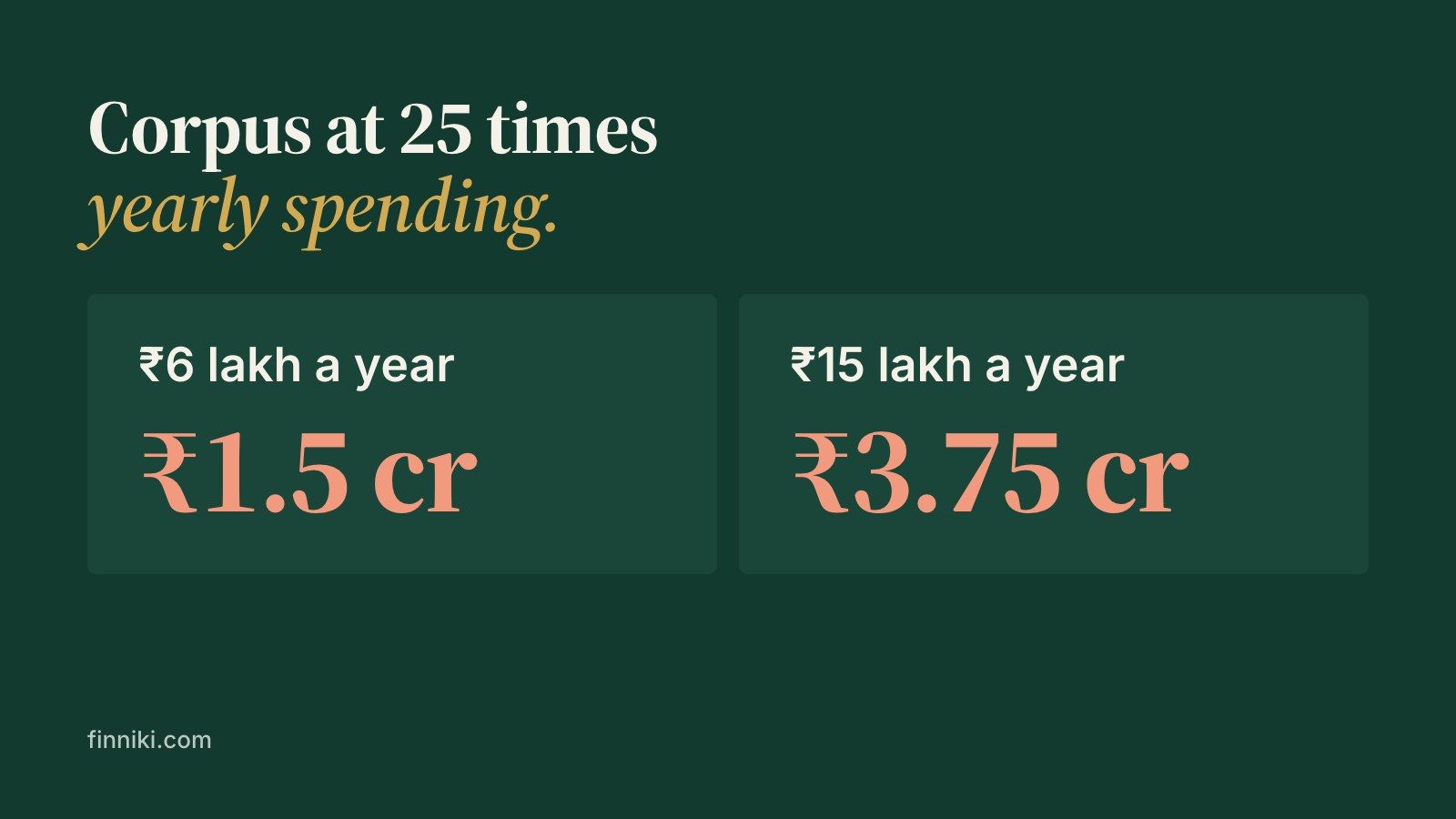
Retirement planning starts not with returns or products but with one honest figure: what your life costs for a year. Someone spending ₹6 lakh a year needs a very different corpus from someone spending ₹15 lakh. A common rule of thumb puts the corpus at around 25 times annual spending, so about ₹1.5 crore at ₹6 lakh a year and ₹3.75 crore at ₹15 lakh, before adjusting for inflation and your age.
If you have not worked out your number, do it this week: go through the last 12 months of bank and card statements and add up your real lifestyle cost. Without it, everything else is guesswork.
Sign 2: Has your lifestyle stayed flat as your income grew?
Early retirement does not need extreme sacrifice; it needs resistance to lifestyle inflation. Most people earn more and immediately spend more: a bigger home, a fancier car, more subscriptions, more EMIs, each one pushing retirement further away. Some people earning ₹50 lakh a year are more trapped than others earning ₹10 lakh, because their lifestyle needs every rupee. If you spend freely on what you value and simply elsewhere, the gap between what you earn and what you need is time bought back from the future.
Sign 3: Does your money move automatically?
People who retire early rely on systems, not willpower. When your salary arrives, does money move straight into investments before you can spend it, or do you invest whatever is left at month-end? Motivation fades and discipline fluctuates; systems just work. Investing first flips the question from "can I invest this month?" to "how do I want to use what's left?", and that flip alone can take years off your working life.
Sign 4: Is your job no longer your identity?
Your relationship with work matters as much as money. If losing your job would feel like losing yourself, early retirement will always seem far away. If you see work as income and learning rather than self-worth, you gain psychological freedom: you build skills and projects outside your job and know you are not trapped. That changes how you negotiate, how much stress you tolerate and how much fear drives your decisions. And if your finances are solid but work has started to drain you, that is a signal worth listening to.
Sign 5: Are you free of high-interest debt?
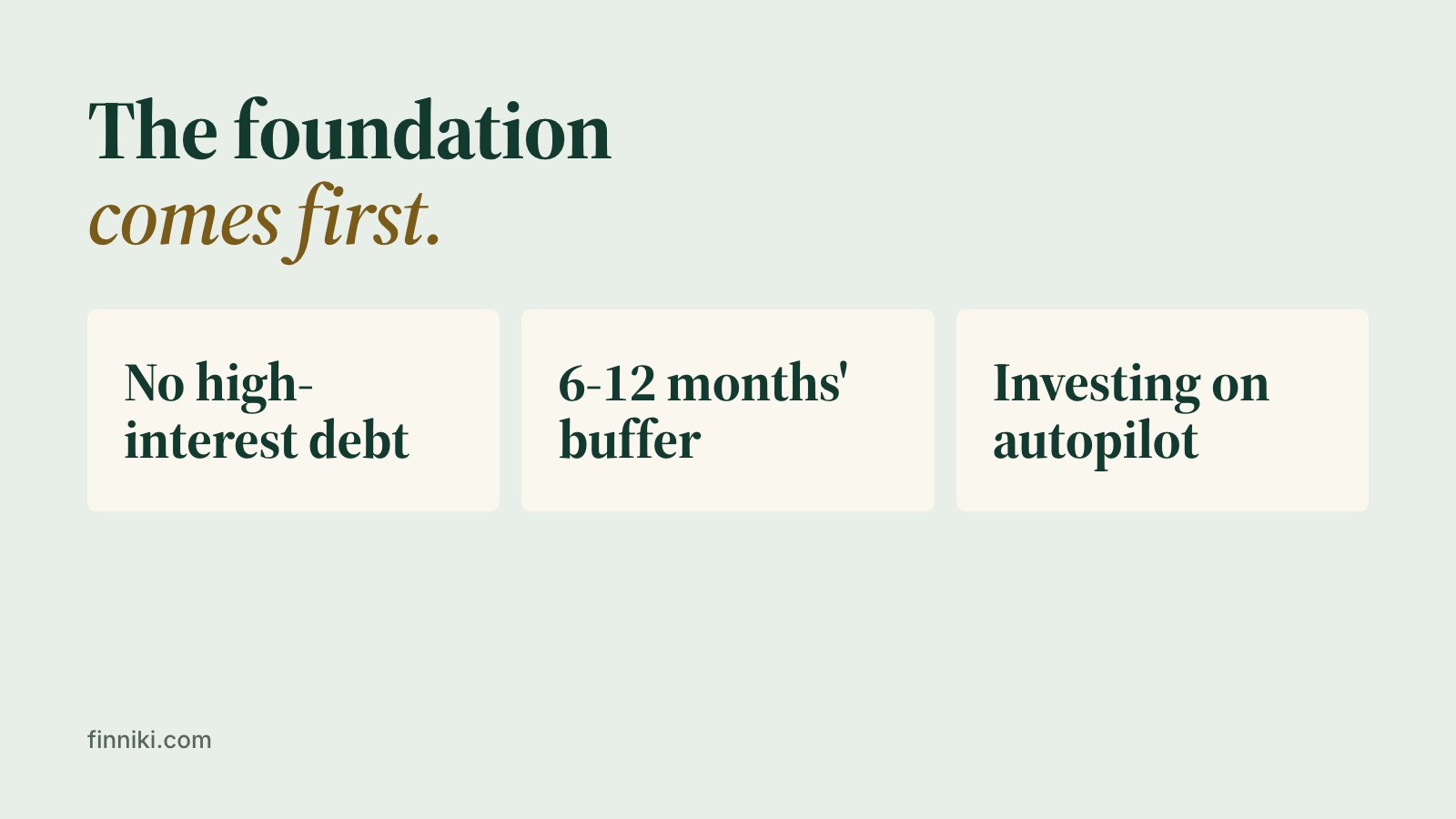
Credit cards, personal loans and consumer EMIs make every investment run uphill. If you have cleared high-interest debt, or are aggressively doing so, you have removed a huge drag. When the debt disappears, your savings rate jumps without any extra effort, and that acceleration is what makes early retirement possible.
Sign 6: Do you have a financial buffer?
You cannot think long-term if you are fragile short-term. An emergency fund is what stops you panic-selling in a market crash, a job loss or a medical emergency. People who are forced to sell at the worst moment usually fail not because their strategy was wrong but because they had no buffer. Keep 6 to 12 months of expenses in easily accessible instruments.
Sign 7: Have you done the retirement maths?
Planners, unlike dreamers, have checked that the plan works under realistic conditions:
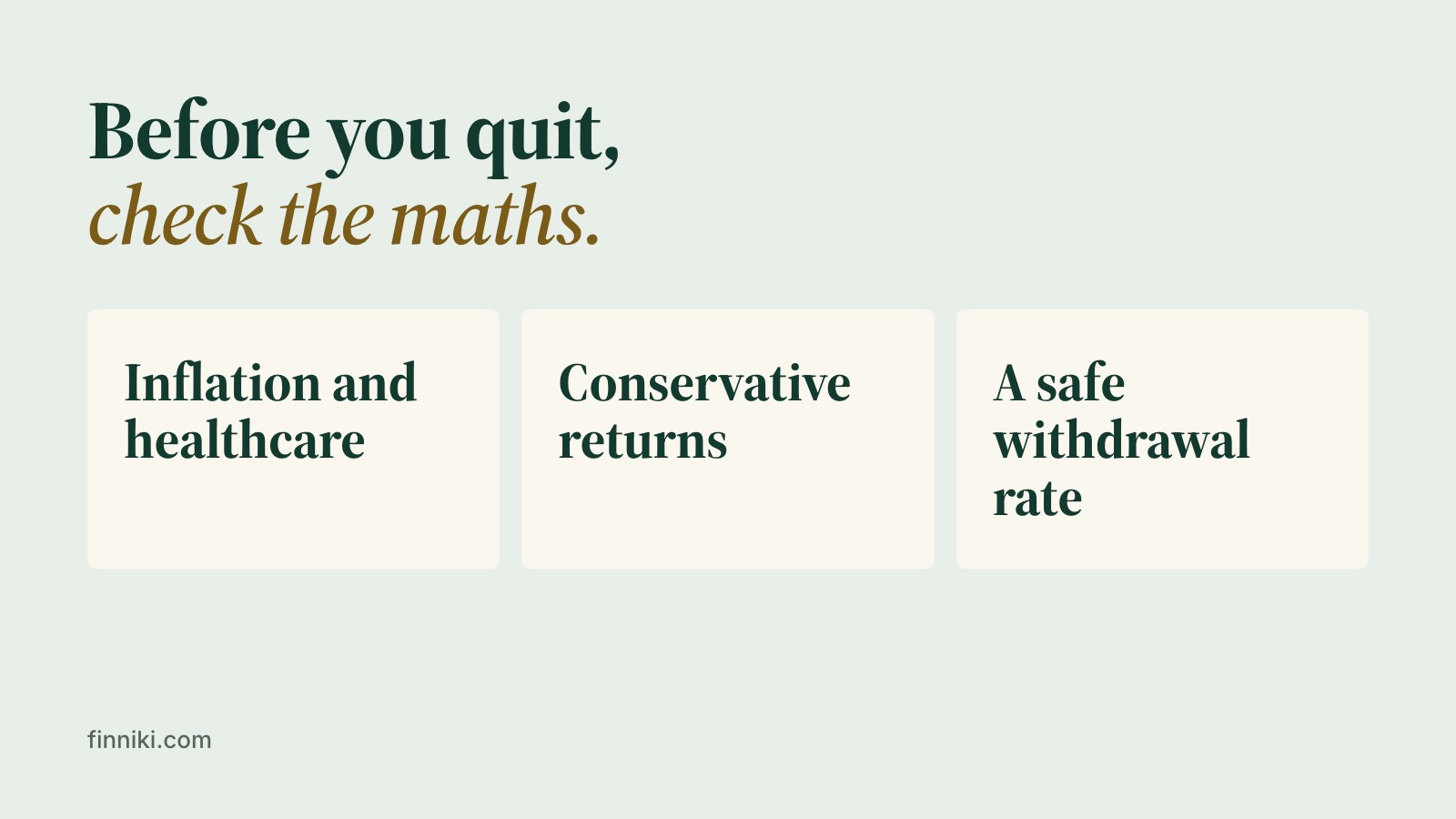
- Have you factored in inflation?
- Have you used conservative returns, not the 15% people imagine?
- Have you allowed for healthcare costs as you age?
- Have you set a safe withdrawal rate?
If the plan still works after all that, you are not hoping; you are planning. You do not need infinite money, just sustainable cash flow from a portfolio that can support your expenses without running dry.
What does early retirement really mean?
Not stopping work forever or sitting idle. Retirement means removing obligation: work becomes a choice, and you decide how much, when and why. Retiring earlier also means doing the active things, travel, trekking, time with family, while your health allows. But you need purpose too, or early retirement turns into boredom. That is why many early retirees keep earning a little through consulting, teaching, writing or passion projects: less income, far more control and peace. The real goal is meaningful work on your own terms.
FAQs
How do I know if I can retire early?
Know your annual spending, have a corpus that can support it with a safe withdrawal rate, carry no high-interest debt, and keep 6 to 12 months of expenses as a buffer.
How much do I need to retire early in India?
A common starting point is about 25 times your annual expenses, adjusted for inflation, healthcare and how long retirement could last; early retirees often aim higher.
What is lifestyle inflation?
Spending that rises automatically with income, through bigger homes, cars, subscriptions and EMIs, which delays financial independence.
Why is an emergency fund important for early retirement?
It prevents you from selling investments at the worst time during a crash, job loss or medical emergency.
Does early retirement mean never working again?
No. It means work becomes a choice; many early retirees keep doing paid work they enjoy.
What return should I assume for retirement planning?
A conservative one, well below the double-digit figures often quoted, to leave a margin for bad years.
Plan your freedom number
Knowing how close you are is the first step. Book a session to calculate your early-retirement number, or find more episodes on FinNiki videos.
General information, not advice for your situation. Rules change; check your own numbers with a CA before you act.