7 Signs Someone Is Secretly Wealthy (They Never Look Rich)
Wealthy people rarely look rich. Seven quiet habits give them away, from boring cars and money on autopilot to total-cost thinking and a calm calendar.

Nikhil Varghese, CA · 7 min read

Quick answer: Secretly wealthy people rarely look rich. The signs are habits, not possessions: they never talk about money, drive boring cars on purpose, buy time instead of things, run their money on autopilot, are tight on small expenses but relaxed on meaningful ones, judge every purchase by its total cost, and control their calendar. Rich is a salary; wealthy is being able to stop working tomorrow without anything in your life changing. The person who looks rich is often under pressure; the one who is wealthy is in control.
 Watch the 10-minute episode: 7 quiet signs of real wealth (they never look rich)
What's the difference between rich and wealthy?
Rich is what people can see; wealthy is what they can't. Rich is a salary, a car loan, looking good on Instagram. Wealthy means you could stop working tomorrow and nothing in your life would change.
The strange part is that wealthy people almost never look it. They don't flex and they don't talk about money. Some drive 10-year-old cars and wear the same watch for decades. What sets them apart from people who earn just as much but are quietly broke is a set of small, invisible habits. Once you know them, you'll spot them in a colleague, a neighbour, maybe someone in your own family.
Sign 1: Why don't wealthy people talk about money?
Because talking about money invites comparison, expectation and pressure, and silence protects their peace. They avoid what can be called the three E's:
- Earnings: they don't reveal what they make. Once income is public, comparisons begin and expectations quietly attach themselves.
- Expensive talk: they don't say what something cost. A price tag is a social signal, not useful information.
- Excess: they skip it, not because they can't afford it, but because excess attracts attention, pressure and noise.
Most people do the opposite: a raise means a new car, a new phone and a new story for every dinner. People who already have money have crossed that psychological finish line and don't need the validation.
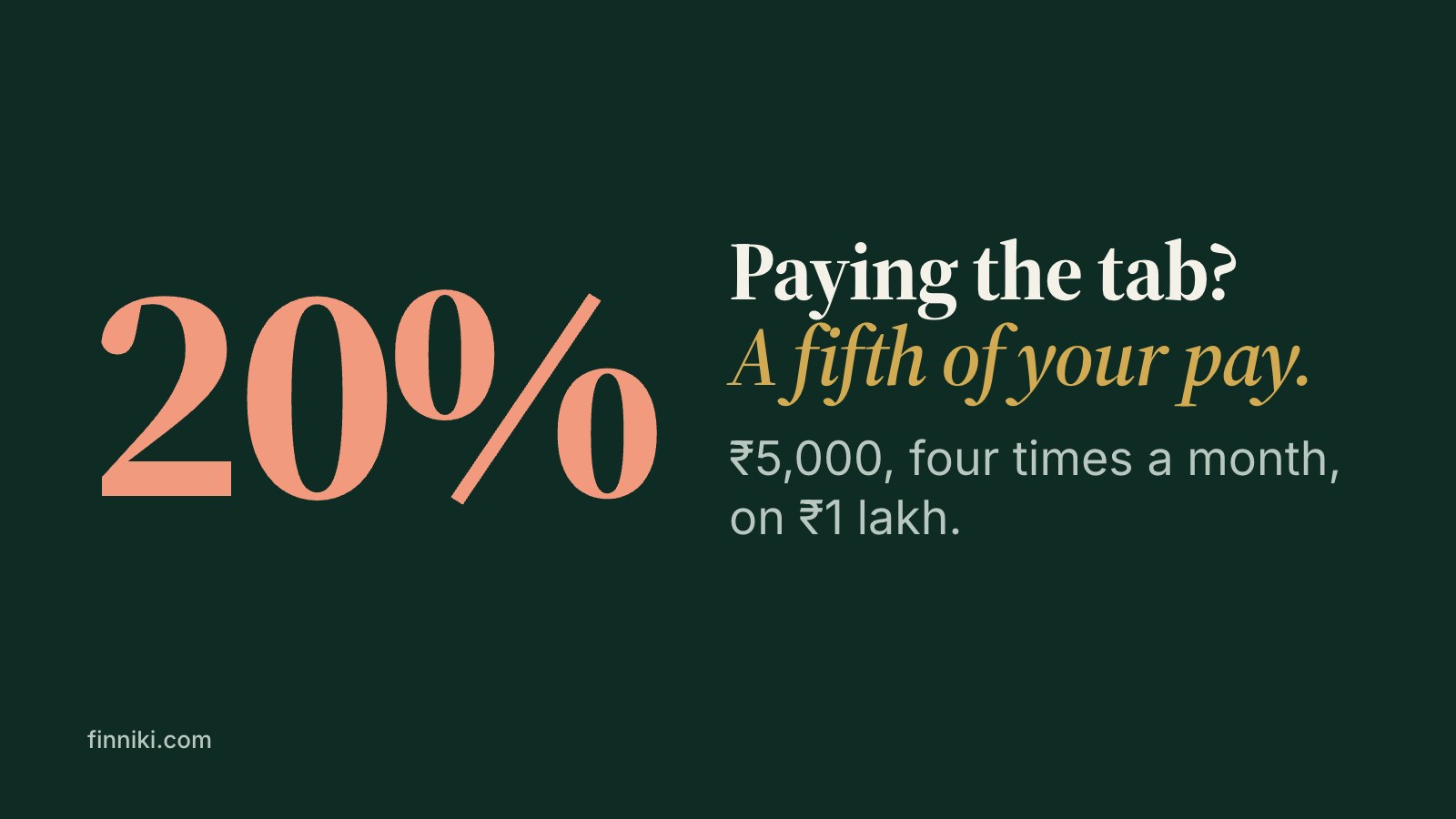
There's a practical reason too, especially in India. Once people know you earn well, you're expected to pay more, help more and spend more. Say you earn ₹1 lakh a month and your friends know it. Every outing comes with unspoken pressure to pick up the tab. A ₹4,000–5,000 bill doesn't seem like much, but three or four of those a month adds up to as much as ₹20,000: a fifth of your salary, enough to wreck your investment plan, your rent or your whole budget.
A simple rule: if someone constantly talks about money, they're usually chasing it. If someone never talks about money, they might already have it.
Sign 2: Why do wealthy people drive boring cars?
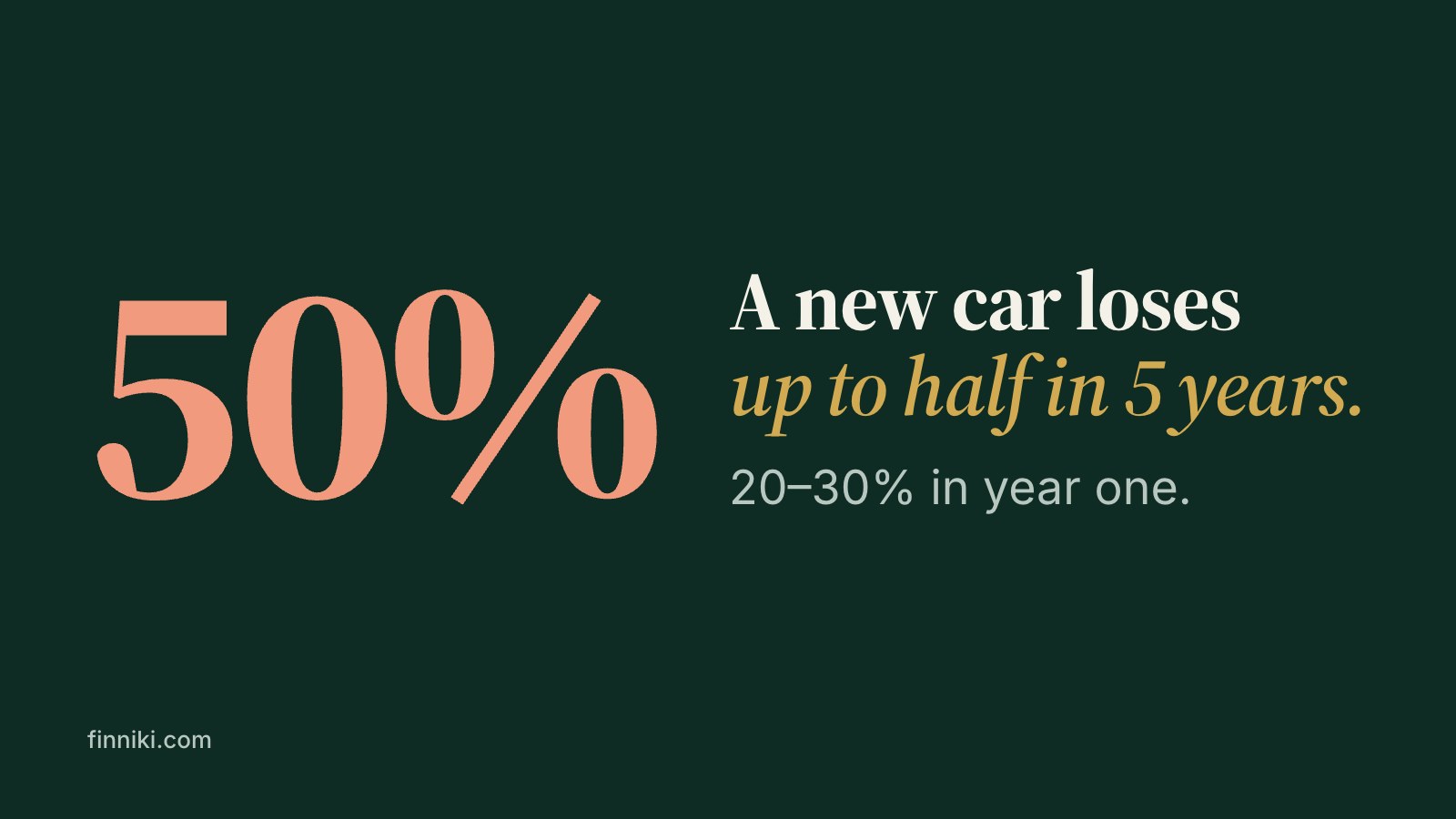
Because they understand depreciation. A new car starts losing value the moment it leaves the showroom: 20–30% in the first year, and up to 50% over five years. That isn't an expense; it's a guaranteed loss.
So they ask a question most buyers never do: is this car solving a real problem or an emotional one? If a reliable, slightly boring car gets them from A to B safely and comfortably, the extra ₹10–15 lakh goes elsewhere: investments, a business, or simply peace of mind. They aren't cheap. They're allergic to negative returns.
One client in Mumbai drove a dusty 2012 Swift, wore simple clothes and never once mentioned money. His portfolio was worth ₹11 crore. His neighbours had no idea, and his own brother-in-law thought he was "struggling". The wealthiest people are often the least visible.
Sign 3: Do wealthy people buy time instead of things?
Yes. They outsource anything that drains their energy, pay for convenience and avoid low-value work. It isn't laziness; it's arithmetic.
A working professional can spend 4–5 hours every weekend on cleaning, laundry, groceries and errands. If a few thousand rupees on help or delivery frees those hours for rest, learning a skill or building something that raises income, the benefit compounds over a year.
Their question isn't "How much does this cost?" but "How much time does this save me?" They protect their mornings, keep routines and avoid unnecessary meetings. Money can be earned again. Time can't.
Sign 4: How do wealthy people put their money on autopilot?
They decide once and let the system run. They don't rely on motivation, remembering due dates or a monthly decision to invest:
- SIPs run automatically.
- Insurance premiums are scheduled.
- Credit cards are paid in full, with no reminders needed.
- Emergency funds are parked and left alone.
Most investors don't fail because they pick bad investments. They fail through inconsistent behaviour: missed months, emotional decisions, panic. Automation takes emotion out of the system, and the mental clarity that leaves is a form of wealth in itself.
Sign 5: Why are wealthy people careful with small expenses but not big ones?
Because they separate leakage from leverage. They'll question a ₹199 subscription they barely use, pause before impulse buys and review recurring costs every few months. Small leaks, left alone, can sink even a strong financial ship: ₹500 here and ₹1,000 there, repeated every month for 10–15 years, quietly add up to lakhs.
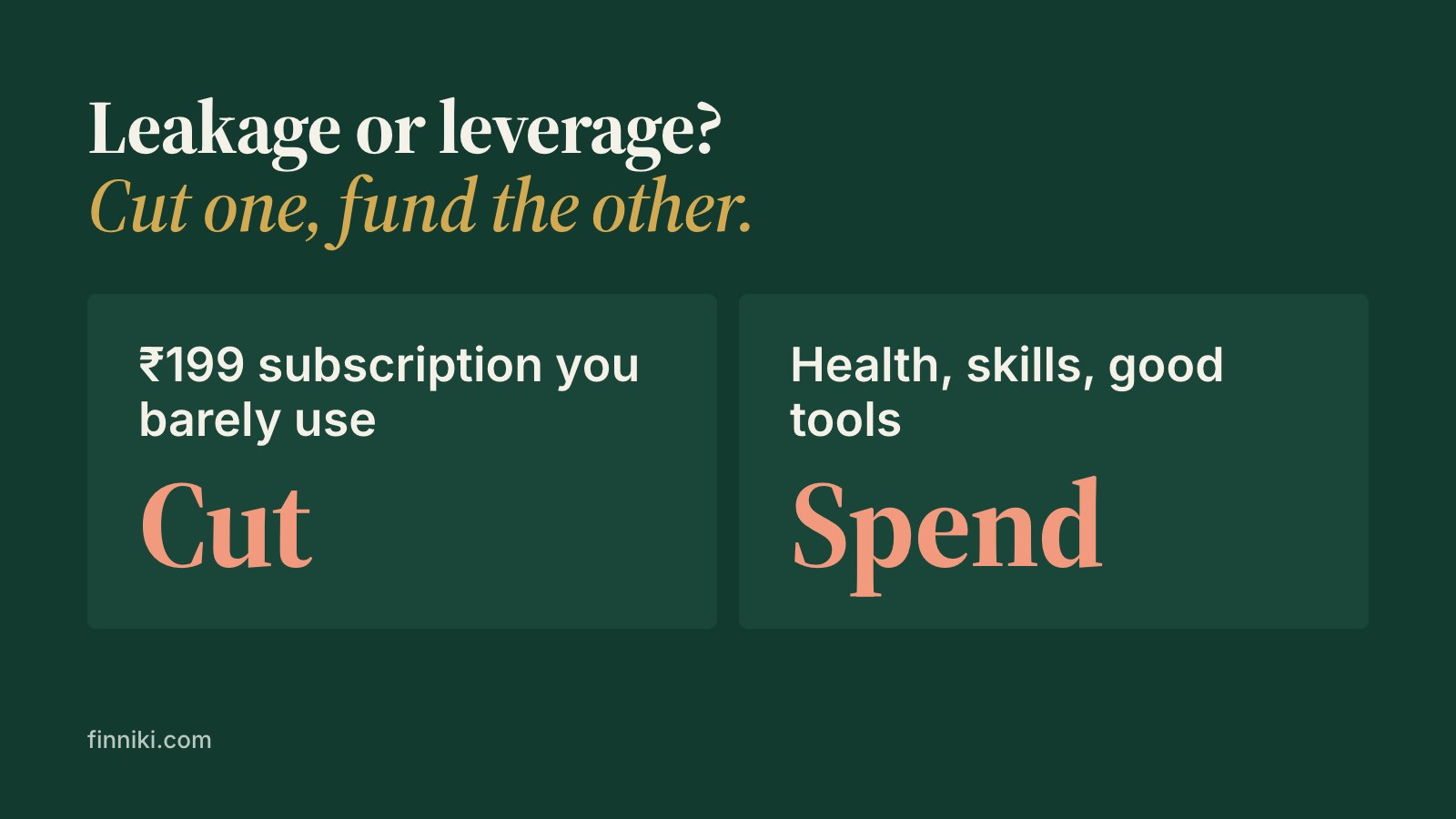
Yet on health, education, productivity tools and long-term quality of life, they don't hesitate. A good doctor, a reliable laptop, a comfortable chair and a course that upgrades their skills aren't indulgences. They protect or increase future earning power. Wealthy people aren't cutting joy; they're cutting waste.
Sign 6: What does "total cost, not sticker price" mean?
It means pricing in everything a purchase will cost over its life, including what the money could have earned instead. Most people look at the price tag, check whether the EMI fits, and buy. Wealthy people zoom out to maintenance, interest, repairs, upgrades and, above all, opportunity cost.
Take a ₹15 lakh car on EMI. With interest, insurance, fuel and maintenance over 7 years, the total cost can easily cross ₹25–30 lakh. The same ₹15 lakh invested at 12% a year would grow to over ₹80 lakh in 15 years.
The point isn't "never buy the car". It's to make the decision consciously, so you enjoy the purchase from awareness rather than impulse. The same applies to homes, gadgets, lifestyle upgrades and seemingly harmless EMIs. Sticker price triggers emotion; total cost demands logic.
Sign 7: Why do wealthy people control their calendar?
Because who sets your priorities says more about your finances than what you own. Wealthy people know how to say no, don't overbook and aren't constantly reacting to other people's priorities. They choose when to work, when to rest and where their attention goes.
When money is tight, people are forced to sell their time. When money is abundant, time becomes something to protect. So someone who can step away on a weekday, isn't rushing from one obligation to the next and chooses commitments carefully is often showing deep financial stability: not just wealth, but control.
How can you tell if someone is secretly wealthy?
Look at their habits, not their things. The guy in the 10-year-old car may be the wealthiest person in the room, and the colleague who never talks about money is probably building something you can't see. Most people spend their lives trying to look rich instead of building the habits that make them wealthy. Ask yourself which of the seven you already follow, and which you're missing, not for lack of money but for lack of awareness:
- Silence about earnings, prices and excess
- A boring car, chosen on purpose
- Time bought back, not more things
- Money on autopilot
- Tight on leaks, generous on leverage
- Total cost before sticker price
- A calendar they control
FAQs
What is the difference between rich and wealthy?
Rich is income and what it buys, like a salary, a car loan or a good-looking lifestyle. Wealthy means you could stop working tomorrow and nothing in your life would change.
Why don't wealthy people show off?
Showing off invites comparison, expectations and pressure to spend. Staying quiet about earnings, prices and excess protects their peace and their plans.
How much value does a new car lose?
About 20–30% in the first year and up to 50% over five years.
What is the real cost of a ₹15 lakh car?
With interest, insurance, fuel and maintenance over 7 years, it can easily cross ₹25–30 lakh. The same ₹15 lakh invested at 12% a year would grow to over ₹80 lakh in 15 years.
How do wealthy people automate their money?
SIPs run automatically, insurance premiums are scheduled, credit cards are paid in full and emergency funds are parked and untouched.
Is it wrong to spend on expensive things?
No. The habit is to cut small, repeating leaks and spend without hesitation on health, skills, good tools and long-term quality of life, choosing consciously rather than on impulse.
What is the clearest sign that someone is wealthy?
Control: over what they spend, how their money runs and how they spend their time. The people who look rich are often under pressure; the people who are wealthy feel in control.
Build wealth that doesn't need to show
If you want a plan that runs on autopilot and is built on total cost rather than sticker price, book a consultation. More money explainers, without the noise, are on the videos page.
General information, not advice for your situation. Rules change; check your own numbers with a CA before you act.